Optimal Timing for Window Tinting
Window tinting is an effective way to reduce glare, improve privacy, and enhance vehicle or building aesthetics. The timing of installation can influence the quality and longevity of the tint. Understanding optimal conditions ensures the best results and durability.
Installing window tintings during mild, dry weather prevents issues caused by extreme heat, cold, or moisture, which can affect adhesion and curing.
Ideal temperatures for window tinting range between 60°F and 85°F. Temperatures outside this range may hinder proper application or curing.
Spring and fall are often preferred seasons due to moderate temperatures and lower humidity, facilitating better adhesion and curing.
Applying tint during extreme heat or cold can cause bubbling, peeling, or improper adhesion, reducing the lifespan of the tint.
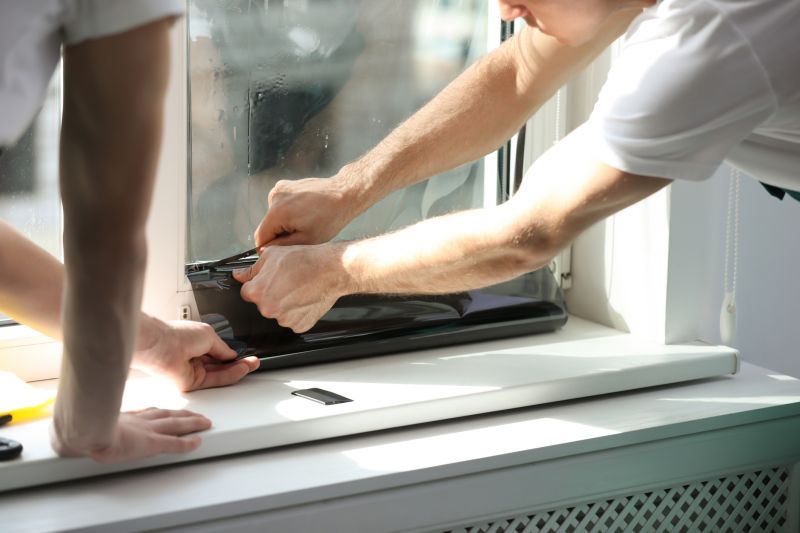
Ways to make Window Tintings work in tight or awkward layouts.

Popular materials for Window Tintings and why they hold up over time.
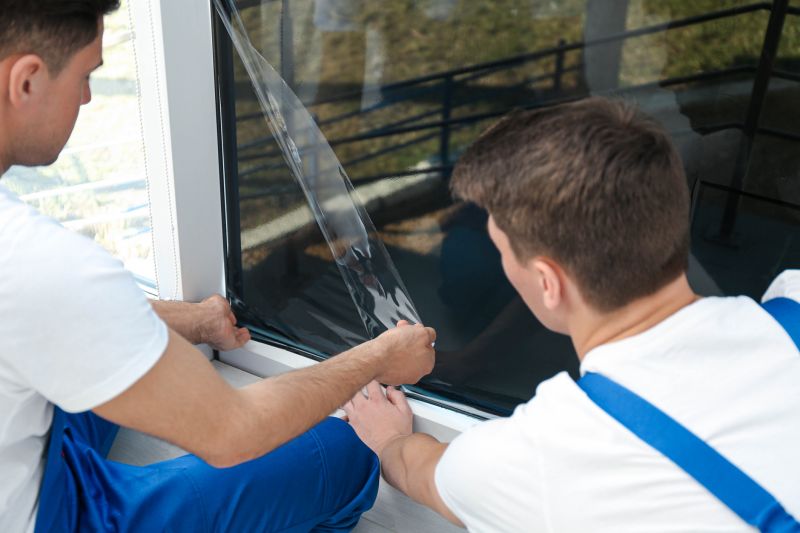
Simple add-ons that improve Window Tintings without blowing the budget.

High-end options that actually feel worth it for Window Tintings.

Finishes and colors that play nicely with Window Tintings.
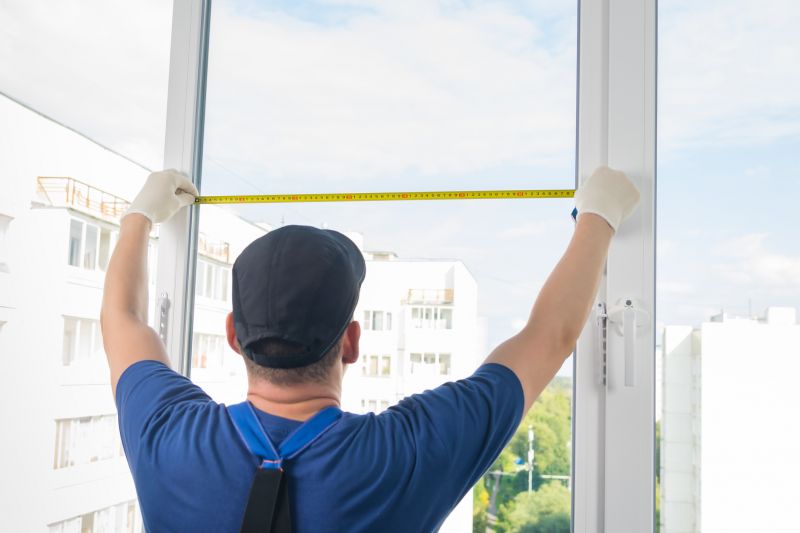
Little measurements that prevent headaches on Window Tintings day.
Window tintings serve multiple purposes, including UV protection, glare reduction, and privacy enhancement. They can also contribute to energy efficiency by decreasing heat transfer through windows. Advances in tinting technology have led to films that are more durable, easier to maintain, and customizable to meet specific aesthetic and functional needs.
Statistics indicate that properly installed window tintings can block up to 99% of ultraviolet rays, significantly reducing potential damage to interiors and occupants. The lifespan of high-quality tint films often exceeds a decade when applied under optimal conditions, maintaining clarity and effectiveness over time.

A 60-second routine that keeps Window Tintings looking new.

A frequent mistake in Window Tintings and how to dodge it.

Small tweaks to make Window Tintings safer and easier to use.
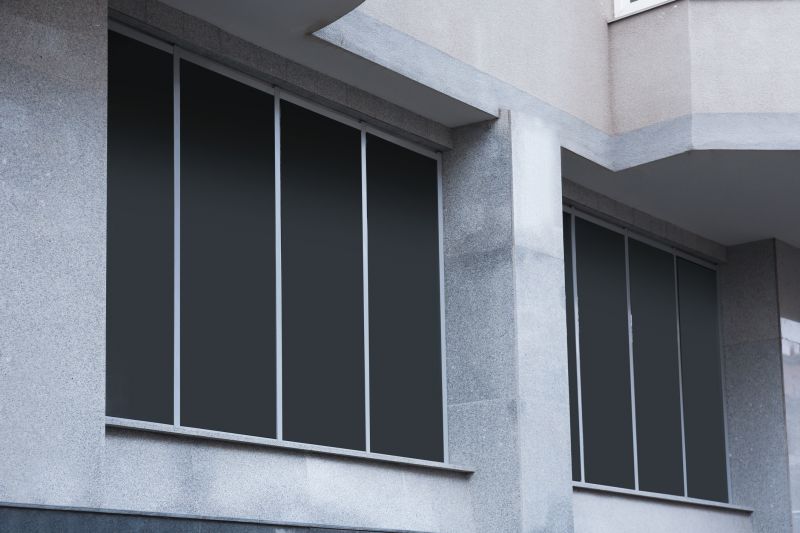
Lower-waste or water-saving choices for Window Tintings.
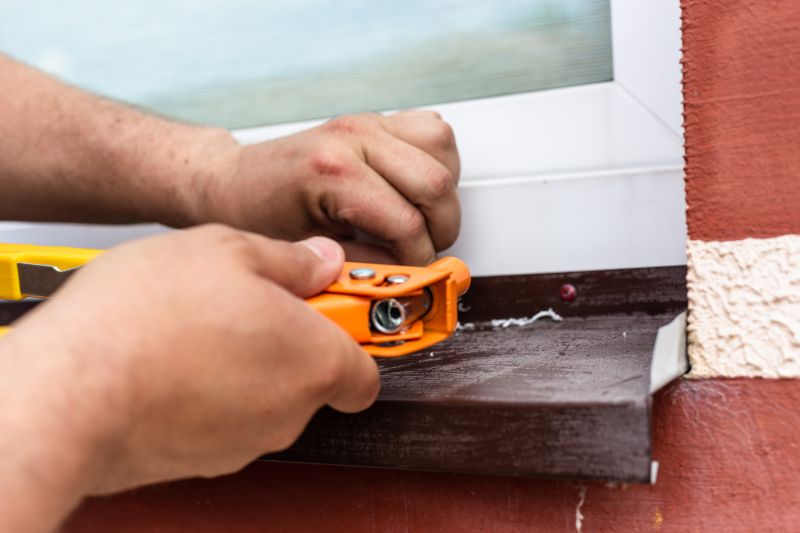
The short, realistic tool list for quality Window Tintings.

Rough timing from prep to clean-up for Window Tintings.
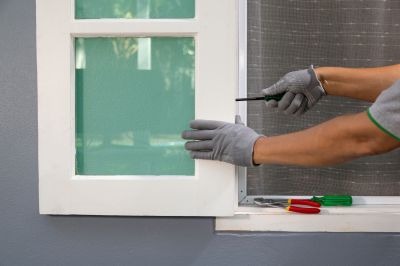
Quick checks and paperwork to keep after Window Tintings.

Examples that show the impact a good Window Tintings can make.
Individuals interested in window tinting are encouraged to contact for further information or to schedule an installation. Proper timing and application ensure optimal performance and longevity of the tint.